


EXPLORE THE WORLD OF PURITY
-
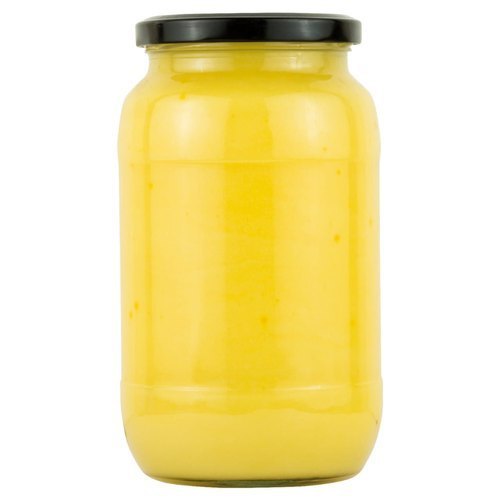
ORGANIC A2 DESI COW BILONA GHEE 1000ML
Regular price Rs. 1,500.00Regular priceUnit price perRs. 1,600.00Sale price Rs. 1,500.00Sale -
ORGANIC A2 DESI COW BILONA GHEE 5000ML
Regular price Rs. 7,600.00Regular priceUnit price perRs. 7,600.00Sale price Rs. 7,600.00 -
ORGANIC A2 DESI COW BILONA GHEE 500ML
Regular price Rs. 800.00Regular priceUnit price perRs. 900.00Sale price Rs. 800.00Sale




Certified Quality You Can Trust


What our customers say
Hear from our happy customers
Why A2 Ghee is Better Than Regular Ghee
Understanding the key differences between traditional A2 ghee and regular ghee
A2 Ghee (Desi Cow Ghee)
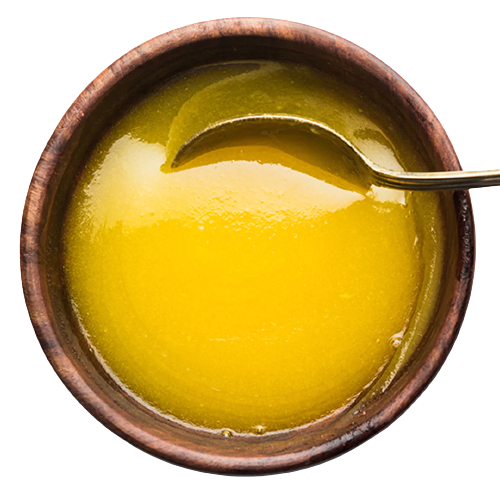
A2 ghee is made from the milk of indigenous Indian cow breeds like Gir cow or Sahiwal cow. These cows produce milk containing only the A2 type of beta-casein protein, which is considered easier to digest and closer to what humans originally consumed. Traditionally, A2 ghee is prepared using the bilona method (curd → butter → ghee), making it more nutrient-dense and rich in healthy fats.
Regular Ghee
Regular ghee is typically made from the milk of crossbred or foreign cows like Holstein Friesian. This milk contains both A1 and A2 proteins. Most commercial ghee is mass-produced using direct cream processing, which is faster but may lack the traditional nutrient profile and depth of flavor found in A2 ghee.
| Feature |
RECOMMENDED A2 Ghee |
Regular Ghee |
|---|---|---|
| Source | Made from indigenous cow breeds (pure, authentic) | Often from mixed or commercial dairy sources |
| Protein Type | Contains only A2 beta-casein |
Contains A1 + A2 beta-casein A1 protein may cause discomfort in some people |
| Digestibility | Easy to digest, gut-friendly, suitable for mild lactose sensitivity | May feel heavy; can cause bloating or discomfort |
| Fat Profile | Rich in Omega-3 and CLA (Conjugated Linoleic Acid) | Lower levels of beneficial fats |
| Nutrient Value | Better retention of vitamins A, D, E, K | Reduced nutrient retention due to processing |
| Preparation | Traditional bilona method (max nutrient preservation) | Industrial cream-based processing |
| Purity | Minimal processing, lower risk of adulteration | Higher risk of adulteration in cheaper variants |
| Energy Impact | Clean, sustained energy without heaviness | Heavier, less efficient energy source |
| Taste & Aroma | Rich, nutty, aromatic | Mild, less complex flavor |
| Lifestyle Fit | Ideal for fitness, clean eating, and holistic wellness | Less aligned with health-focused lifestyles |

Welcome to our farm!
About Our Ghee
At Lakshya Organics, we believe real ghee should be pure, transparent, and traditionally prepared — just the way it was meant to be.
Our Sourcing
We proudly source fresh milk daily from 230+ trusted farmer families across Umvada, Sardhar, Hadmatiya, and nearby regions of Rajkot, Gujarat.
Every batch begins with carefully sourced milk, handled under strict quality standards to ensure freshness and purity.
Our Cow Breeds
Our ghee is made using milk from indigenous Gir and Kankrej cows, naturally known for producing A2 milk valued in traditional Indian nutrition and Ayurveda.
The cows are raised on a nourishing diet of fresh green maize, green grass, and quality feed, contributing to the richness and quality of the milk.